Visit Koinonia

Wednesday, April 12, 2023

Celebrate Earth Day at the garden on April 22


Garden Orientation on Earth Day, April 22 at 10 am

Everyone is invited to come to the garden to celebrate with us. We will share a bit about what we do, and how. This is for everyone, whether you're curious, experinced, or anyone who might be considering joining the garden, and wants to learn more. Come out and see what we're doing. No experience necessary. All ages welcome.

The garden is located at Evergreen United Methodist Church, 11098 Hwy 15-501, Chapel Hill, NC 27516


Monday, December 19, 2022

Excited about Cauliflower

Fall is a good time in our area for greens such as kale and collards, as well as other related members of the Brassica family such as broccoli, turnips, radishes and arugula. Over the past several years we have also been attempting to raise cauliflower with varying degrees of success. The first time we planted it way too late, and finally harvested some in February. Last season was a disaster due to the drought and the lack of a killing frost until nearly Decemeber. Aphids were extremely destructed and damaged most of our crops severely except for some turnips and collards that managed to hang on. 

This year was the charm as I started the cauliflower, broccoli and kale at the end of July and we transplanted them after Labor Day. Also a first was the use of shade netting for about six weeks which really seemed to help them grow. So everything has been much better, and we harvested the cauliflower in mid December before the onset of the extreme cold.
 

Friday, September 30, 2022

Getting Started with Asclepius Tuberosa


 As a community garden, our main mission has been to garden responsibly as a community while serving our neighbors with donations to the food pantry. We hope to manage our garden in a sustainable manner to preserve and improve the soil conditions. 

Many of our crops require pollination, and while we have never noticed a shortage of pollinators at work amoung our plants, we also want to provide attraction to pollinating insects such as wasps, bees and butterflies. As more and more land is gobbled up by developors, more of wild flowers that they depend on become more scarce.

Several years ago we purchased one Asclepius Tuberosa because it had been designated as a "pollinator of the year." Now that plant has reproduced itself through the seeds it formed, and we have learned how to save and replant the seeds successfully so that we now have about ten or so of them.

An advantage of Asclepius Tuberosa over the swamp milkweed is that it has a tuberous root and so it is easy to keep it where you want it, wheras the other variety puts out many runners and can be difficult to contain. As a wildflower, it is somewhat drought tolerant and is not easily overwhelmed by nearby weeds.


Friday, August 5, 2022

Summer storm

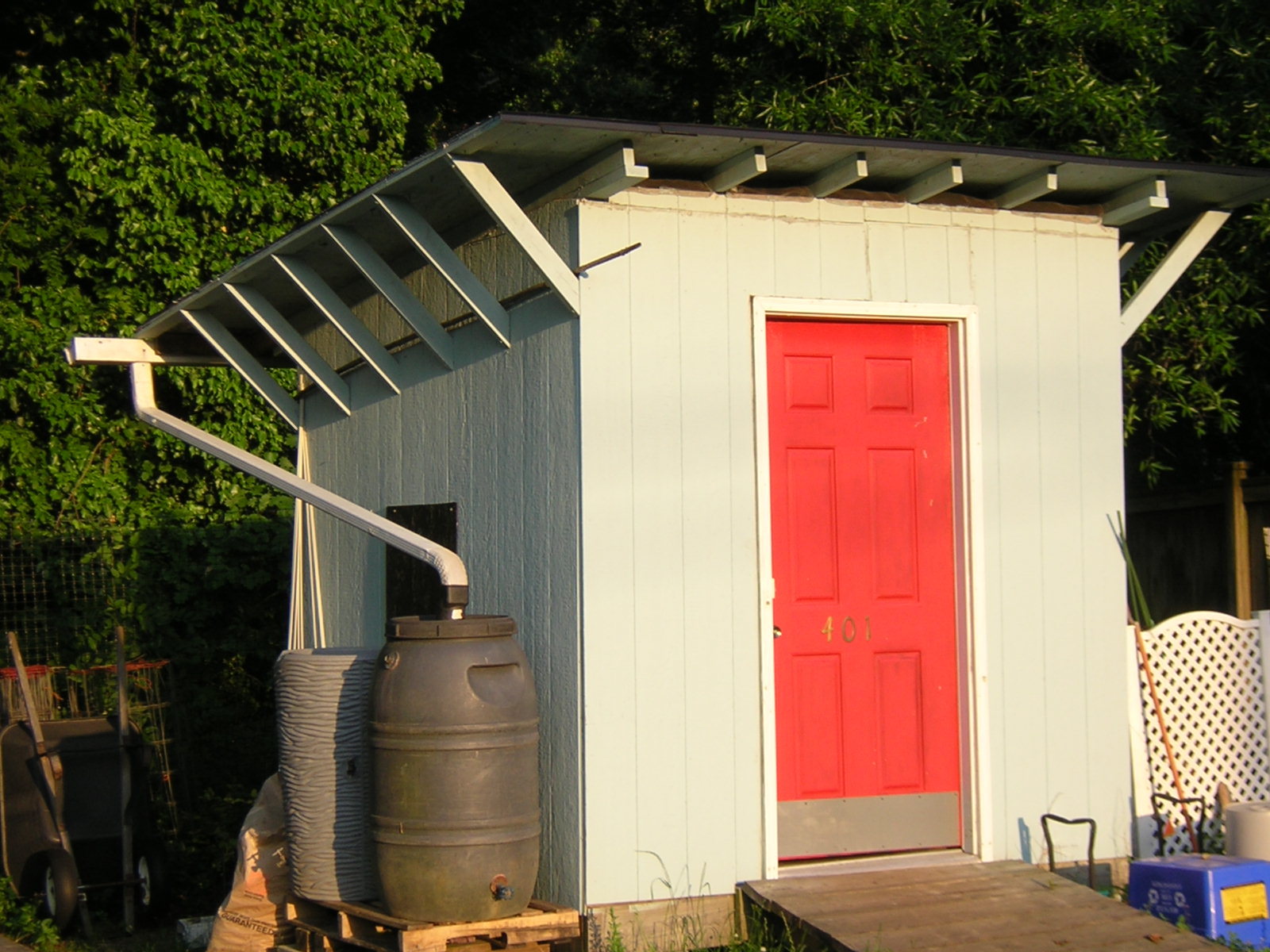
A recent storm took down a large limb from the tall sweet gum tree at the garden, dropping it on the top bar of our swing. Though we enjoyed the swing, which sadly may not be repairable, we were grateful the limb didn't land on our shed, rain barrels for deer fence, which would have been a worse outcome for the garden.
 

Tuesday, July 12, 2022

Broccoli Challenges


Growing broccoli has been a challenge. We've grown it with varying degrees of success. It can do well as a fall and winter crop, but wither season presents its own problems. 
Planted as a spring crop, broccoli has yielded mixed results. The soil in the early spring is too cold, and transplants grow slowly with unpredictable rainfall in early spring. Our plantlys have been damaged by spring frosts even when grown under row cover. Sudden the weather turns, only to be blasted with intense sunlight and too much heat just as they are starting to make heads. Some times broccoli has been a lot of work and little to show for it.
This year we had more success when we tried a variety that is less bothered by heat. We received a donation pkt of Pakman broccoli seed which, which gave us much better results. The plants grew very uniform, and most produced nice heads at the same time. We have been very please with Pakman and will definitely grow it again next spring and leave the Green Magic for fall-winter


Saturday, May 14, 2022

Tomato planting time

We had a wild morning at the garden today, prepping bed and setting out tomato transplants.

After broadforking, weeding and fertilizing two beds, we had almost planted twelve plants into the first when when a downpour interrupted out efforts and sent us dashing to the shed for shelter. When it turned into a thunderstorm with lightening we partially closed the door for a few minutes. After 15 minutes or so, it let up and we planting the first bed. But since the soil was now too wet for working we will have to wait a few days to plant the rest of the plants.

The rain is encouraging after the very dry spring conditions a year ago, so we are grateful.


Monday, April 25, 2022

Spring Thoughts

 At this time our spring planting is well under way, and some of our crops are making progress.  With some good rains recently the garden is beginning to recover from the devastating effects of prolonged drought from last fall an into the winter. It goes without saying that much depends upon weather. Many of our fall plants were severely damaged by long lasting aphid attacks due to the prolonged warm season and no frost to kill them. 

So far this spring our snow peas, spinach, and potatoes are doing well. Our fall planted onions are showing stress from drought over the winter. Two plantings of carrots failed, due to a hard frost, and the replanted seed didn't come up. While the rain barrels help, rain is still the best. We are grateful for the recent rains, which have helped considerably.

Saturday, November 20, 2021

It's a wrap


As we wrap up the garden for the year, the plant stalks are piled to be shredded this week.

It has been a challenging but productive year, with the weather overall dryer, and several prolonged periods of no rain in both the spring and fall. Fortunately we were able to install gutters on the shed to our rain barrels which has helped significantly during those times when the water is off. Additionally we increased our composting capacity by building two large bins.

We are grateful for a successful year in which we donated 873 lbs. of produce to CORA Food Pantry to date.


Wednesday, August 4, 2021

Community Gardening in the time of Covid 19- part 2


Nov. 3, 2020

This is an update to the previous post written last spring during Shelter in Place. 

Initially, none of us could have imagined this situation would last as long as it has. In the spring we thought it might only be for several weeks. As noted in the previous post, the garden was in maintenance mode for a time, but in May we reopened under phase 1 guidelines which allowed up to ten persons to gather in an outdoor space while maintaining social distance. Basically that continued all summer until the fall, as we never really opened to the public. About fifteen gardeners have contributed in some way to the effort, with a core group of eight or so who have been most active. This was about half as many gardeners as we had in 2019.

In spite of everything that happened we have managed to continue through the year and had some good crop yields which allowed us to continue donating produce to the food pantry almost every week. And it has been on a week-by-week basis, of just staying focused and doing what needed to be done at the garden.  The garden is large enough that it is easy to work while maintaining social distance. 

We have the reward of being outdoors in a pleasant environment and also the satisfaction of doing something productive to help others by donating many pounds of fresh produce. For that opportunity we are grateful. All of us miss being able to move about freely and spend time with friends and family, and activities that we were involved in and perhaps took for granted prior to covid 19. Working together in the garden also provides the benefits of some social interaction with others in person that we otherwise might not have.


Tuesday, November 17, 2020

Community Gardens: Nourishing the Body and Soul


COMMUNITY GARDENS:  

 Nourishing the Body and the Soul 

Thursday, December 3, 2020 

7:00PM - 8:30PM 

Register at https://us02web.zoom.us/j/88667421907  

Learn WHY Community Gardens are important and HOW to manage them. 

Mary Ellen McGuire, pastoral associate at St. Thomas More Catholic Church in Chapel  Hill, will discuss why community gardens are an important part of creation care. 

Managers of three local gardens will talk about how to manage and maintain  community gardens. 


• Paul & Pat Kelly, Franciscan Community Garden in Raleigh 

• Bob Weickert, San Isidro Labrador Garden in Chapel Hill 

• Deborah Gorman, Koinonia Garden in Chatham County 

Matt Jones of the NC Cooperative Extension Service will explain the services and  resources available through this agency. 

This event is co-sponsored by Orange-Chatham Interfaith Care for Creation  and Interfaith Creation Care of the Triangle.


Tuesday, June 9, 2020

Back to the Garden

Officially we're back to the garden, now that North Carolina is in Phase 2 of Coronavirus Response. We are open with social distancing, masks, and bring your own gloves and water.
Fortunately, we've been able to keep up with some maintenance and planting in the garden so that we weren't totally overrun by weeds. The Shelter in Place time allowed more than enough time to start seeds at home for transplanting into the garden. What started as some broccoli and tomato seedlings kept multiplying by twelves into the hundreds, and also allowed the advantage of staying safe, getting plants without having to go out and shop. 


So here we are. Saturday we harvested broccoli and turnips to share with CORA, and planted sweet potato slips. 
The garden is large enough to allow for plenty of space for working without being too close to other gardeners. All in all, there is much to be grateful for.

Saturday, April 11, 2020

Community Gardening in the Time of COVID-19


Like everything else this spring of 2020, our garden plan has been upended. Fortunately we began planning this year's garden during the winter. In January we placed some orders for seeds and supplies, including 90 peat pots, thinking we might start more of our own plants this year.
We planned to add more perennials this year, and we ordered and planted early. We added more blueberries and a fig tree in February. In March we planted asparagus, potatoes and peas, which all went in before more stringent stay at home orders took effect. We are thankful for that.
Tomato and broccoli plants were started in March.
Now more and more seeds are being planted, and soon all available window and porch space will be filled with plants, which is a great activity to fill the long hours of stay at home time.

Friday, March 13, 2020

Coronavirus Advisory

Presently there is a Coronavirus Emergency in effect in the State of North Carolina.
In view of that, as a precautionary measure, we will not be having our regular garden work times on Saturday March 14 or March 21. This is to promote the health and well being of our garden members, volunteers and our community.
We will update when it is safe to resume regular open hours at the garden.
Be well.

Friday, October 11, 2019

Sweet Potato Time

This year's sweet potato harvest was a smashing success. Sweet potatoes are one plant that seem to thrive in hot weather, so they were not phased by the intense heat this summer.  Nevertheless, we weren't sure how the flash drought that came in September would affect them. We watered them as much as we could, and then when a cooler day came we tried a few hills with a fork to see if they were ready.  
We are very pleased and thankful for the results of our effort.


Friday, May 24, 2019

Changing Seasons

In gardening, one always has to keep a wary eye on the weather. 
We started our spring planting season in February with onions, snap peas, mustard greens and turnips.
The spring came slowly as much of February was rainy with below normal temperatures after the first week, which had seemed promising. So our spring crops took hold slowly and some weeks showed little progress. Onion plants grew slowly, and onion seed failed to germinate until nearly the end of March.  On the weekend of March 15, we planted our blueberries, as noted in the last post.
The blueberries remained dormant for the first few weeks as the soil temperature was still cold. That didn't matter, as winter conditions are recommended for planting them. They seemed to benefit from this slow start and gradually warming soil during April.  We did not lose a single one of our plants; all of them took hold.
We having our soil tested, we followed recommendations for amendments for the blueberries and other areas of the garden.
Sweet peppers planted among green onion and beets
What's new for us this year is a change of style from solid monoculture of plants per bed to interplanting of different crops within a bed. Along the same lines we're doing more succession planting. Instead of planting all of a type of plant at once, say for example cucumbers and beans, we are doing additional successive plantings at a later date. We'll have to see how this works out.
So far this has had mixed success.  Some times rain prevented us from getting back to plant when we wanted, so our second planting of peas went in late and they were affected by hot weather in May, which diminished their yield.  We had put row cover on the broccoli to protect from cabbage moth, but the sudden very warm temperatures caused them to mature rapidly under the covers and bolt.
In the bed pictured above, green onions were planted by seed in March, beets were planted in April, and peppers in May. As onions and beets are harvested, more space is created for growing sweet pepper plants.
There is always something new to learn in the garden.

Monday, March 18, 2019

Blueberries are in

Celebrating our successful planting of 14 blueberry plants to the garden.
After getting our soil tested, which thankfully revealed the soil in our patch to be acidic enough to plant without requiring the  addition of sulfur, we hacked and dug a planting space in the clay, and amended the soil with pine chip soil conditioner and fertilizer.
Then we planted the blueberries this weekend.
We're very excited to get them in, even though it will be a couple of years before we will actually be picking any berries.

Monday, March 11, 2019

Spring Ahead

This past weekend was the annual time to set the clocks ahead one hour, or "spring ahead" for daylight savings time.
As always in gardening, we've had to keep a wary eye toward the weather forecast. The weather in Feb. stayed cool and rainy for the most part, but in spite of it we managed to make progress.
Starting the first Saturday in February, we had to cancel twice on cold rainy days.  The second time a couple of us went out to the garden on Sunday afternoon.
Since the ninth of February, the garden has been springing ahead slowly, as we cleared mulch from the beds, weeded, planted some early seeds, and some onion plants.
This week we'll be adding some blueberry plants.  That project involves some digging into the clay soil, and adding pine chip soil conditioner, which we started last weekend.

Monday, January 28, 2019

Spring Dreams

It's been a while since we posted.
Much has happened, including a couple of major hurricanes passing through the region, though not so directly impacting our area of the Piedmont, except for some flooding here and there.
But our garden is still alive, and we're making plans to get started.
Checking our conditions at present-- the weather has been mild, but with a lot of rain.
Our garden is located on high ground, so we have fairly good drainage. Checking the beds this weekend they seem to be fairly wet, perhaps too wet to begin planting just yet.
We're making plans and getting ready though. First up is some maintenance needing to be done after the winter storms. We'll first be planting some snow peas and onions next month. Possibly putting in blueberry plants on our slope, which has been a long-term goal.
Starting in February we're resuming our work times, which will be Saturday afternoon from 1:00 pm to 3:00 pm. Stop by for a visit if you're in the neighborhood. 

Thursday, May 4, 2017

Success with cabbage

In spite of the challenges, a beautiful cabbage.


In spite of challenges from frost and pests, we had an excellent harvest of cabbage, and were able to donate many cabbages to the food pantry.

Our results are due to the care that has been taken to maintain our soil fertility while being observant of pests and applying control measures recommended by our Horticultural Advisers.

Soil is All: rationale for compost, cover crops and mulch


 On March 5th I attended a workshop sponsored by the Carolina Botanical Garden: Soil is All. I share some information below that appears relevant to our garden.
Some of the practices discussed, such as soil testing and amending  already being applied to our garden. The presenters stressed the importance of humus/organic matter in soil, which provides space for air and improves water retention. Compost is the ideal way to add organic matter to soil because good quality compost improves the chemical, physical, and biological characteristics of the soil. Other, more readily available, sources of organic mater, such as leaves and saw dust, improve primarily the physical characteristics of soil (see Building Soil with organic amendments.)

The complex components of soil ecosystems were explained briefly. Topsoil and soil that supports growth is alive with both visible (worms, larvae and insects) and invisible organisms. Micro-organisms, especially the fungi, mycorrhizae* are essential for healthy plant growth. The interaction between certain fungi, mycorrhizae, and plant roots benefits both (symbiosis) and helps the plants absorb nutrients and resist disease http://aggie-horticulture.tamu.edu/faculty/davies/research/mycorrhizae.html.

Planting cover crops, especially legumes, helps maintain healthy mycorrhizal populations . Tilling and leaving soil bare disrupts this beneficial soil ecosystem.

In addition to cover crops, and intensive planting, the workshop demonstrated and recommended use of mulch to cover bare soil. Placing mulch over the soil protects against soil erosion, suppresses weeds, stabilizes soil temperature, reduces water loss from evaporation, and creates a barrier between plants and soil-borne diseases.

All mulches block sunlight, so prevent seeds already present in the soil below from sprouting. Compost can be used as a mulch, but allows wind-borne weeds to grow vigorously. In contrast, other mulches, such as landscape cloth, newspaper, or a thick layer of leaves, grass clippings, straw or wood chips, usually don’t provide the conditions that wind-borne seeds need to sprout.
 At the UNC Campus Community Garden a thick cover of leaves is used for mulch. Sometimes mulch is placed around small plants. Alternatively, existing mulch can be cut or moved aside to place transplants or seeds.

Many mulch materials decompose, adding organic mater to the soil, and must be replaced yearly. The book that is our primary gardening guide, Weedless Gardening, by Lee Reich, provides a mulch guide (page 24-25) and recommends adding mulch whenever bare soil is visible (page 48). Currently, some of our beds are mulched with decomposing cover crops, but bare soil abounds. In the future, we should consider how best to apply mulch to our garden.
  -- Kris Weigle